Residual Current Devices (RCDs), called safety switches, play a vital role in electrical safety. These devices are engineered to prevent electric shocks and mitigate the risk of electrical fires by instantly disconnecting the power supply when a fault is detected.
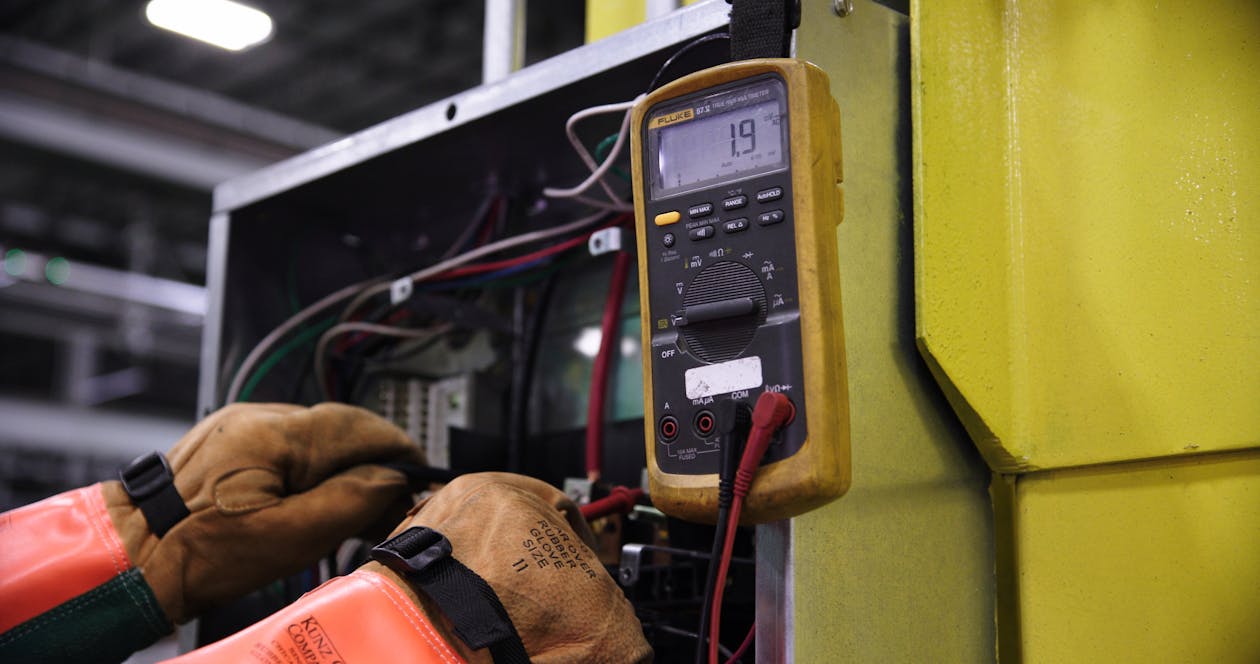
In Australia, the question of who is responsible for testing RCDs—landlord or tenant—is frequently asked and often misunderstood. This article outlines the responsibilities per Australian laws and best practices, aiming to provide a comprehensive understanding for all stakeholders involved in rental property management.
Visit the important link on our website to learn how to navigate RCD testing responsibilities.
Legal Framework Governing RCD Testing
Australian Standards
- AS/NZS 3760:2022: This standard details the processes for the in-service safety inspection and testing of electrical equipment, including RCDs. It stipulates the intervals and methods for testing to ensure ongoing compliance and safety. The standard is critical for understanding how frequently RCDs should be tested and who should do the tests.
State and Territory Regulations
- Western Australia: Landlords are legally required to install a minimum of two RCDs at the switchboard. These devices must cover all power points and lighting circuits throughout the property.
- Victoria: From 29 March 2023, every power outlet and lighting circuit in rental homes must be fitted with compliant RCDs and circuit breakers. The move aligns with broader electrical safety regulations.
- New South Wales: Compliance with the Residential Tenancies Act 2010 and the Occupational Health and Safety Amendment (Residual Current Devices) Regulations 2011 is mandatory. These laws hold landlords accountable for ensuring RCDs are correctly installed and maintained.
These regulations ensure a uniform approach to electrical safety across Australia, allowing states and territories to address specific local conditions.
Responsibilities Of Landlords
Installation And Maintenance
- Installation: Landlords must ensure that RCDs are correctly installed in compliance with legal requirements. This includes installing at least two RCDs at the switchboard to protect all relevant circuits.
- Maintenance: Landlords are responsible for maintaining RCDs in good working condition at the beginning of a lease. This also includes any required upgrades or inspections that arise during the tenancy period. Ensuring RCDs function correctly is a legal obligation and a practical step in safeguarding tenants.
Legal Obligations
Non-compliance can result in serious financial consequences. In Western Australia, individuals face fines up to $15,000 while corporations could be penalised up to $100,000. These figures underscore the gravity of neglecting RCD maintenance and testing obligations.
Landlords should engage qualified electricians for initial installations and schedule periodic inspections to meet legal requirements and promote tenant safety. Proactive maintenance also helps avoid costly legal repercussions. It ensures peace of mind for all parties involved.
Responsibilities Of Tenants
Regular Testing
Tenants are expected to conduct basic RCD tests every three months. This involves pressing the test button on the RCD unit to ensure it trips and cuts the power. If the device fails to operate correctly, tenants must report it immediately.
While tenants are not responsible for complex technical testing, this simple procedure can significantly enhance safety. It also helps detect early faults, reducing the risk of hazardous incidents.
Reporting Issues
Tenants must promptly report any issues with RCDs to the landlord or property manager. Timely communication allows for necessary repairs or replacements and ensures continued compliance with safety standards.
Although tenants are not liable for the installation or technical assessment of RCDs, they play a key role in day-to-day monitoring. Being vigilant and responsive helps maintain a safe living environment and protects personal and communal safety.
Shared Responsibilities
Lease Agreement Considerations
Lease agreements often specify who is responsible for various aspects of electrical maintenance. In some cases, the lease may assign tenants the entire responsibility for RCD testing and compliance, while landlords might retain this duty in others.
Clarity in lease terms is crucial. Ambiguities can lead to neglected responsibilities and increase safety risks. All parties should review lease terms carefully and seek clarification if needed.
Best Practices For Compliance
To ensure both legal and safety obligations are met, the following best practices are recommended:
- Landlords:
- Schedule regular inspections by licensed electricians.
- Keep detailed records of RCD installations and maintenance.
- Include RCD compliance checks in routine property inspections.
- Tenants:
- Perform manual RCD tests every three months.
- Immediately report any malfunctions or irregularities.
- Familiarise themselves with the location and function of RCDs in the property.
- Both Parties:
- Include specific clauses about RCD responsibilities in the lease agreement.
- Maintain open lines of communication regarding safety and maintenance issues.
- Cooperate on scheduling professional inspections when required.
Consequences Of Non-Compliance
Ignoring RCD responsibilities can lead to severe consequences:
- Safety Risks: Non-functioning RCDs increase the risk of electrical shocks, which can cause serious injury or death.
- Legal Penalties: Failure to comply with laws and standards can lead to fines and legal action.
- Liability: In the event of an accident, the responsible party could face legal liability for damages or injuries.
These risks highlight the importance of adhering to RCD testing protocols. Neglecting this duty is not just a legal issue but a serious safety concern.
Who Can Test RCDs?
RCD testing, which involves assessing the device’s operating time and effectiveness, must be performed by a qualified individual. This generally means a licensed electrician or someone who has completed a recognised training course in RCD testing.
Tenants can and should perform basic functional tests using the device’s test button. However, in-depth assessments require technical knowledge and specialised equipment.
Employers and landlords should ensure they hire certified professionals for comprehensive RCD testing. This guarantees compliance with legal standards and promotes a safer environment for tenants and workers.
Conclusion
Australian laws and standards clearly address who tests RCDs in rental properties. Landlords are primarily responsible for installation and professional maintenance, while tenants are responsible for regular functional testing and reporting issues. To avoid confusion and ensure compliance, shared responsibilities must be clearly defined in lease agreements.
With safety and legal considerations in mind, landlords and tenants must commit to their roles. Proper RCD testing and maintenance comply with the law and protect lives.
Frequently Asked Questions
How Often Should RCDs Be Tested In A Rental Property?
RCDs should be manually tested by pressing the test button every three months. This simple action ensures the device works correctly and can trip as expected. Any issues should be reported immediately to the landlord or property manager. Professional testing by a qualified person should also occur regularly per Australian Standards.
Can A Tenant Be Held Responsible If An RCD Fails And Causes An Incident?
Generally, tenants are not legally liable for RCD technical failures if they have followed routine manual testing and reported any faults. However, failing to report issues or neglecting basic checks may lead to shared liability. Landlords hold the primary responsibility for installation and professional maintenance.
Do All Rental Properties In Australia Require RCDs?
Under Australian regulations, all rental properties must have a minimum number of RCDs installed on the switchboard. The specific requirements can vary by state, but typically, RCDs must protect all power points and lighting circuits. Compliance with these requirements is mandatory for landlords.