A visit to the dentist can often seem daunting, especially if it’s your first time. However, understanding what to expect during your first dental visit can ease any anxiety and help you feel more prepared.
At Elwood Dental Group, we believe that your first experience at the dentist should be as comfortable and informative as possible.
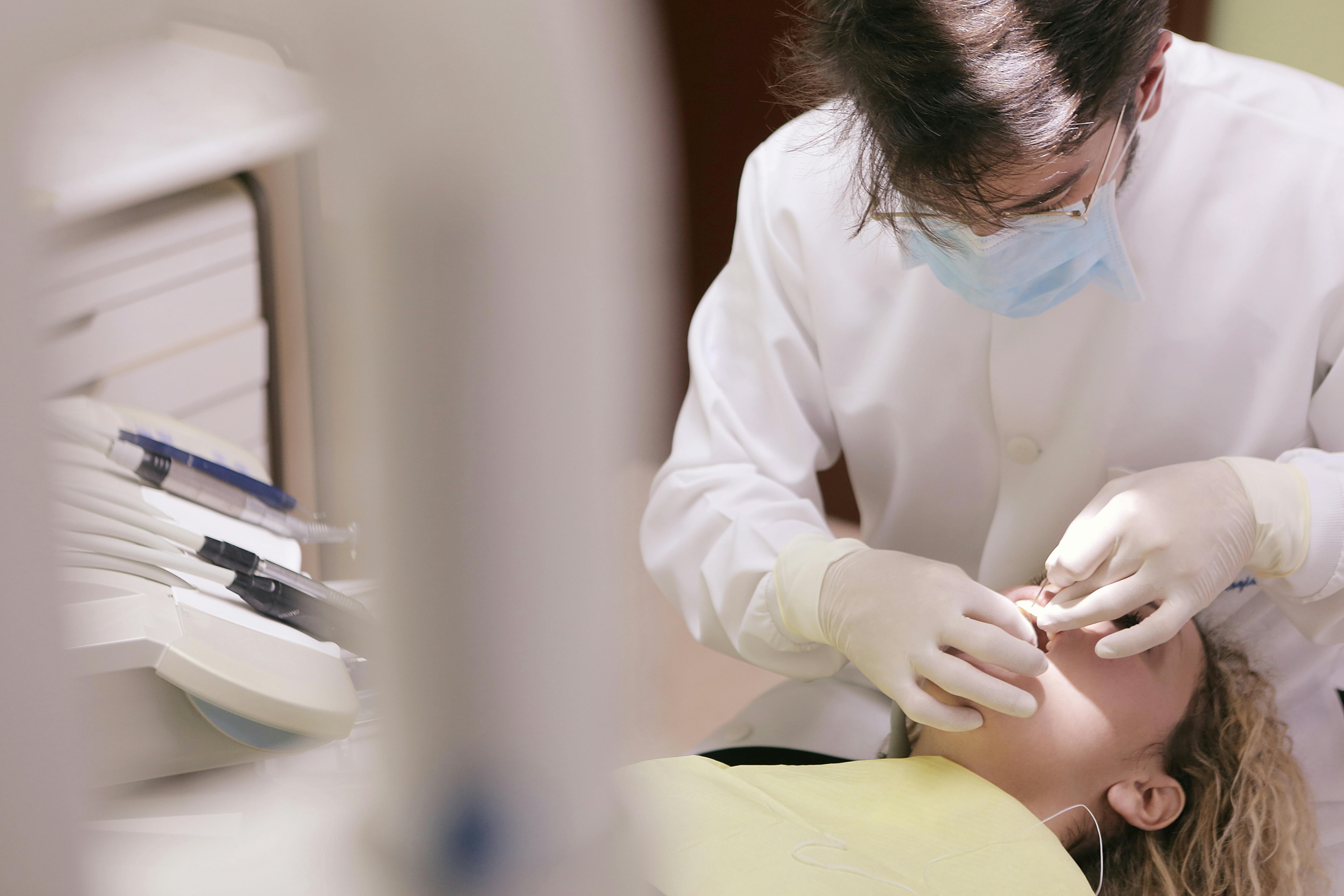
In this article, we will walk you through everything you need to know about what to expect during your first dental visit, from the paperwork to the cleaning process and the discussion about your oral health.
Why Your First Dental Visit is Important
Setting the Foundation for Future Dental Care
Your first dental visit is a crucial step in maintaining lifelong oral health. This initial visit allows the dentist to evaluate your oral health, identify any potential issues, and develop a personalised care plan.
It’s also an opportunity to establish a positive relationship with your dentist, making future visits easier and less stressful.
Addressing Your Concerns
If you’re feeling nervous about your first visit, you’re not alone. Many people experience anxiety when visiting the dentist for the first time.
A good dentist will listen to your concerns, answer your questions, and work with you to ensure that you feel as comfortable as possible throughout the appointment.
Preparing for Your First Dental Visit
Completing Paperwork
Before your first dental appointment, you may be asked to fill out some paperwork. This will typically include forms about your medical history, dental history, and any current health concerns.
It’s important to be honest and thorough when completing these forms, as this information will help the dentist understand your overall health and tailor your treatment accordingly.
What to Expect:
- Personal Information: You will be asked for your contact details, insurance information (if applicable), and emergency contact details.
- Medical History: Your dentist will ask about any medications you’re taking, allergies, or previous surgeries.
- Dental History: This will include questions about your oral care habits, any previous dental issues, and whether you’ve experienced tooth pain or discomfort.
Arriving Early
Arriving 10-15 minutes before your scheduled appointment is a good idea. This gives you time to complete any forms, relax, and ask the receptionist any questions you may have before the appointment starts.
What Happens During Your First Dental Visit?
Initial Consultation with the Dentist
Once you’re settled in, the dentist or dental hygienist will begin with a thorough consultation. The goal is to understand your oral health, any concerns you may have, and your overall health.
They will likely ask questions to get a complete picture of your dental habits and medical background.
Topics the Dentist May Discuss:
- Your oral hygiene routine: The dentist may ask about how often you brush and floss.
- Dietary habits: They may inquire about your consumption of sugar and acidic foods.
- Health concerns: If you have any conditions that could affect your oral health (e.g., diabetes), the dentist will want to know.
Comprehensive Oral Examination
The first part of the examination involves the dentist visually inspecting your teeth, gums, and mouth. They may use small dental instruments to check for cavities, gum disease, and other dental problems. They will also check for signs of any oral cancer or other serious health issues.
What Will the Dentist Look for?
- Cavities: The dentist will check for any visible tooth decay.
- Gum health: The dentist will assess the health of your gums, looking for signs of gingivitis or periodontitis.
- Signs of oral cancer: The dentist will examine the mouth for lumps or unusual spots that could indicate cancer.
- Bite and jaw alignment: They will check for any signs of misalignment, which can affect your bite and lead to other issues.
X-Rays
In many cases, the dentist will take X-rays to get a deeper view of your teeth, roots, and bones. X-rays help the dentist spot issues that aren’t visible during a regular examination, such as cavities between teeth or bone loss caused by gum disease.
Why X-Rays Are Important:
- Detect cavities between teeth: X-rays can reveal areas that are difficult to see with the naked eye.
- Check for bone health: They help assess the condition of the bone around your teeth.
- Monitor dental development: In children and adolescents, X-rays help monitor the growth and development of teeth.
Professional Teeth Cleaning
After the exam, you’ll undergo a professional cleaning. A dental hygienist will use specialised tools to remove plaque and tartar build-up from your teeth.
Even if you brush and floss regularly, plaque can still accumulate in hard-to-reach areas, and professional cleaning is the best way to ensure that your teeth are thoroughly cleaned.
What to Expect During Cleaning:
- Scaling: The hygienist will use a small tool to remove plaque and tartar from your teeth and along the gumline.
- Polishing: Your teeth will be polished to remove surface stains and leave your teeth smooth and shiny.
- Flossing: The hygienist will floss between your teeth to remove any remaining debris.
Fluoride Treatment
After cleaning, your dentist may apply a fluoride treatment to help protect your teeth from cavities. Fluoride strengthens the enamel and helps make teeth more resistant to decay. This treatment is quick, painless, and provides additional protection for your teeth.
Discussing Your Oral Health
Once the exam and cleaning are complete, the dentist will discuss their findings with you. If they identified any areas of concern, such as cavities, gum disease, or misalignment, they will explain your options for treatment.
This may include scheduling follow-up appointments for fillings, cleanings, or other procedures.
Topics the Dentist May Discuss:
- Cavity prevention: They will offer advice on how to improve your oral hygiene routine to prevent cavities.
- Gum health: If you have early signs of gum disease, the dentist will recommend treatments to improve gum health.
- Future treatments: The dentist will discuss any necessary follow-up treatments, such as fillings or orthodontic work.
What to Bring to Your First Dental Visit
Necessary Documents
When you arrive for your first dental appointment, bring any necessary documents with you. This may include:
- Insurance information: If you have dental insurance, bring your insurance card.
- Medical records: If you have a medical condition or are taking medications, bring a list of them.
- Identification: You may be asked for a form of identification, such as a driver’s licence.
Personal Concerns or Questions
It’s also a good idea to bring a list of any questions or concerns you may have about your oral health. Don’t hesitate to ask about anything that’s on your mind, such as improving your brushing technique or addressing any discomfort in your mouth.
Post-Visit Care and Follow-Up
At-Home Oral Hygiene Routine
After your first visit, the dentist will likely offer guidance on how to improve your oral hygiene routine at home. This may include tips on brushing, flossing, and using mouthwash. Follow the dentist’s advice to maintain optimal oral health and prevent future dental issues.
Tips for Maintaining Oral Health:
- Brush twice a day: Use fluoride toothpaste to remove plaque and food particles.
- Floss daily: Flossing removes plaque and food from between teeth.
- Avoid sugary foods: Limit sugary snacks and drinks that contribute to tooth decay.
Scheduling Follow-Up Appointments
If the dentist recommends additional treatments, such as fillings or orthodontics, they will schedule follow-up appointments. Regular dental check-ups are essential for maintaining good oral health, so make sure to schedule your next appointment within the recommended timeframe, typically every six months.
Conclusion
Your first dental visit is a vital step in maintaining your oral health. Understanding what to expect can help alleviate any nervousness and ensure that you’re prepared for the experience.
From filling out paperwork to undergoing a professional cleaning, the first visit is all about assessing your oral health and creating a plan for maintaining a healthy smile.
At Elwood Dental Group, we strive to make your first dental experience comfortable, informative, and stress-free. Don’t hesitate to reach out to us if you have any questions or concerns before your first visit.
Frequently Asked Questions
How long will my first dental visit take?
Your first dental visit typically lasts between 60 and 90 minutes, depending on the complexity of your examination and cleaning.
Is a first dental visit painful?
Most first-time dental visits are not painful. Some people may experience minor discomfort during the cleaning process, but it is generally a quick and painless procedure.
What if I have anxiety about going to the dentist?
If you’re nervous or anxious about your dental visit, let the staff know before your appointment. Many dental practices offer calming techniques, sedation options, or simply a more relaxed environment to help ease any anxiety.