In the competitive business world, creating the right environment is crucial for promoting productivity, creativity, and employee well-being. A commercial fit-out is more than just a renovation; it’s about transforming a workspace to suit a company’s brand, operations, and culture.
With businesses increasingly seeking ways to stand out in their industries, a well-executed commercial fit-out project can provide the crucial competitive edge.
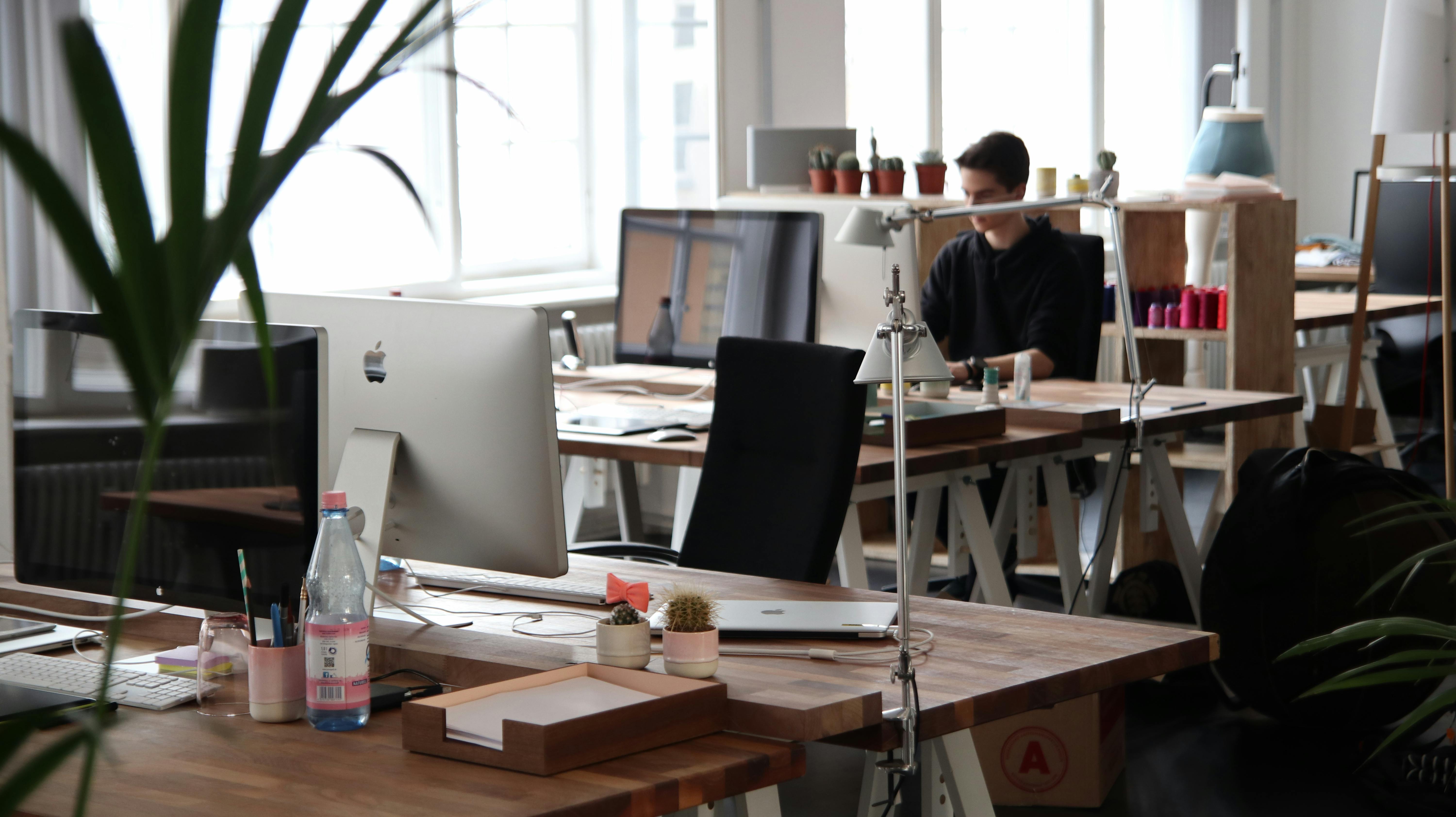
Visit this URL for more information on how we can help transform your workspace.
Factors That Make A Commercial Fit-Out Project Stand Out
A successful commercial fit-out project can dramatically improve a business’s workflow, employee satisfaction, and brand image. However, several factors contribute to making a project truly stand out. Below are some of the most important aspects.
Design Innovation
A unique and innovative design is one of the most important factors that make a commercial fit-out project stand out. It should reflect the company’s brand, culture, and objectives while providing a comfortable and efficient working environment.
Customised Branding
- Incorporate company values: The design should communicate the essence of the business. A good commercial fit-out project seamlessly integrates the brand’s colours, logos, and messaging into the space.
- Tailored experience: Unique designs can create a memorable experience for both employees and clients. Features such as branded meeting rooms, creative break areas, and custom furniture can elevate the workplace.
Functionality And Efficiency
While aesthetics are important, functionality is key to the success of any commercial fit-out. The layout and design should prioritise the needs of employees, ensuring the space is optimised for both individual and collaborative work.
Smart Space Planning
- Open-plan vs. enclosed spaces: Striking the right balance between open workspaces and private offices is essential. Open layouts promote communication and creativity, while private offices offer focus and privacy.
- Effective storage solutions: Maximising storage space can reduce clutter and improve the overall functionality of the space.
- Flexibility: A modern office space should allow for easy adaptation to future changes, such as increased staff or shifting team structures.
Use Of Technology
Incorporating cutting-edge technology into the design of the commercial fit-out can set it apart from standard office spaces. From smart lighting and climate control to integrated digital systems, modern technology plays a major role in enhancing productivity and creating a seamless working environment.
Intelligent Building Systems
- Lighting and temperature control: Automated systems can adjust lighting and temperature according to occupancy, ensuring a comfortable and energy-efficient space.
- Collaborative technology, including video conferencing equipment, wireless presentations, and interactive displays, can enhance collaboration and communication.
- Smart infrastructure: Building management systems that track energy usage, air quality, and security can provide valuable insights and improve the overall efficiency of the workspace.
Sustainability And Green Building Practices
With environmental concerns at the forefront, an increasing number of companies are seeking ways to incorporate sustainable practices into their office fit-outs. A well-executed sustainable fit-out not only benefits the environment but can also lower operating costs and enhance a company’s reputation.
Green Certifications
- LEED or BREEAM: These are widely recognised standards for green building practices. A commercial fit-out that meets these standards ensures energy efficiency, water conservation, and the use of eco-friendly materials.
- Sustainable Materials: Utilising renewable, recycled, and locally sourced materials can significantly contribute to the sustainability of a fit-out project.
- Energy-efficient technologies: Incorporating energy-saving devices, such as LED lighting, energy-efficient HVAC systems, and low-flow plumbing fixtures, reduces the building’s carbon footprint.
Employee Wellbeing
A commercial fit-out should focus not only on functionality but also on the well-being of the employees who will use the space every day. A workspace that promotes health, comfort, and productivity will lead to a happier and more engaged workforce.
Wellness-Oriented Design
- Natural light: Maximising natural light has been proven to improve mood and productivity. Large windows, skylights, and strategic layout choices can make a big difference.
- Biophilic design: Bringing elements of nature into the workspace, such as plants, natural materials, and water features, can help reduce stress and increase concentration.
- Ergonomic furniture, including adjustable desks and supportive chairs, promotes physical health and comfort through its ergonomic features.
Aesthetic Appeal
The visual appeal of a commercial fit-out is crucial because it reflects the business’s identity and creates a welcoming atmosphere for both clients and employees. Aesthetics should not only align with the brand’s image but also contribute to the overall atmosphere of the workspace.
Design Features That Enhance Aesthetics
- Colour schemes: The right colour palette can evoke the desired mood and energy in a workspace. Bright colours can stimulate creativity, while neutral tones can promote focus.
- High-quality finishes: Premium materials, such as natural stone, wood, and glass, can elevate the overall look and feel of the space.
- Art and decor: Incorporating artwork, sculptures, and other design elements can give the office a distinctive personality and create a more engaging environment.
Future-Proofing The Space
A commercial fit-out should not only meet current needs but also anticipate future growth and changes. Future-proofing involves designing a space that can evolve with the business over time.
Flexibility For Growth
- Modular design: The use of modular furniture and partitions can allow the space to be easily reconfigured as business needs change.
- Technology integration: Ensure that the office is equipped with the necessary infrastructure to support future technological advancements.
- Scalable solutions: From electrical wiring to networking systems, ensuring that the building’s infrastructure can handle future demands is key.
Conclusion
A standout commercial fit-out project goes beyond basic design and functionality. By integrating innovative design elements, focusing on employee well-being, leveraging the latest technology, and prioritising sustainability, businesses can create a workspace that enhances productivity and reflects their brand identity.
Future-proofing the space ensures it remains adaptable as the business grows. Ultimately, a successful fit-out not only creates a visually appealing and functional environment but also fosters a positive and engaging workplace culture, providing businesses with a significant competitive edge in today’s fast-paced market.
Frequently Asked Questions
What Is The Difference Between A Category A And Category B Commercial Fit-Out?
A Category A fit-out involves basic finishes, such as suspended ceilings, raised flooring, and basic lighting, providing a blank canvas for tenants. On the other hand, a Category B fit-out is more customised and includes elements such as partitioning, flooring, and furniture tailored to the tenant’s specific needs, creating a fully functional and branded workspace.
How Long Does A Commercial Fit-Out Project Typically Take?
The duration of a commercial fit-out project can vary depending on the complexity and size of the space. Generally, a Category A fit-out can take a few weeks, while a Category B fit-out may take several months to complete, especially if it involves bespoke design and construction work. It’s essential to factor in design approval, procurement of materials, and any required regulatory approvals.
What Are The Benefits Of Incorporating Sustainable Practices Into A Commercial Fit-Out?
Incorporating sustainable practices into a commercial fit-out offers several benefits, including reduced operating costs through energy efficiency and water conservation. It can also enhance the company’s brand image by showing a commitment to environmental responsibility. Furthermore, green building certifications like LEED or BREEAM can improve the space’s marketability and attract environmentally conscious clients and employees.