For many people, tax time brings a flurry of paperwork, last-minute calculations, and unnecessary stress. Preparing all year for a stress free tax season changes that experience entirely, replacing the rush with an organised, methodical approach.
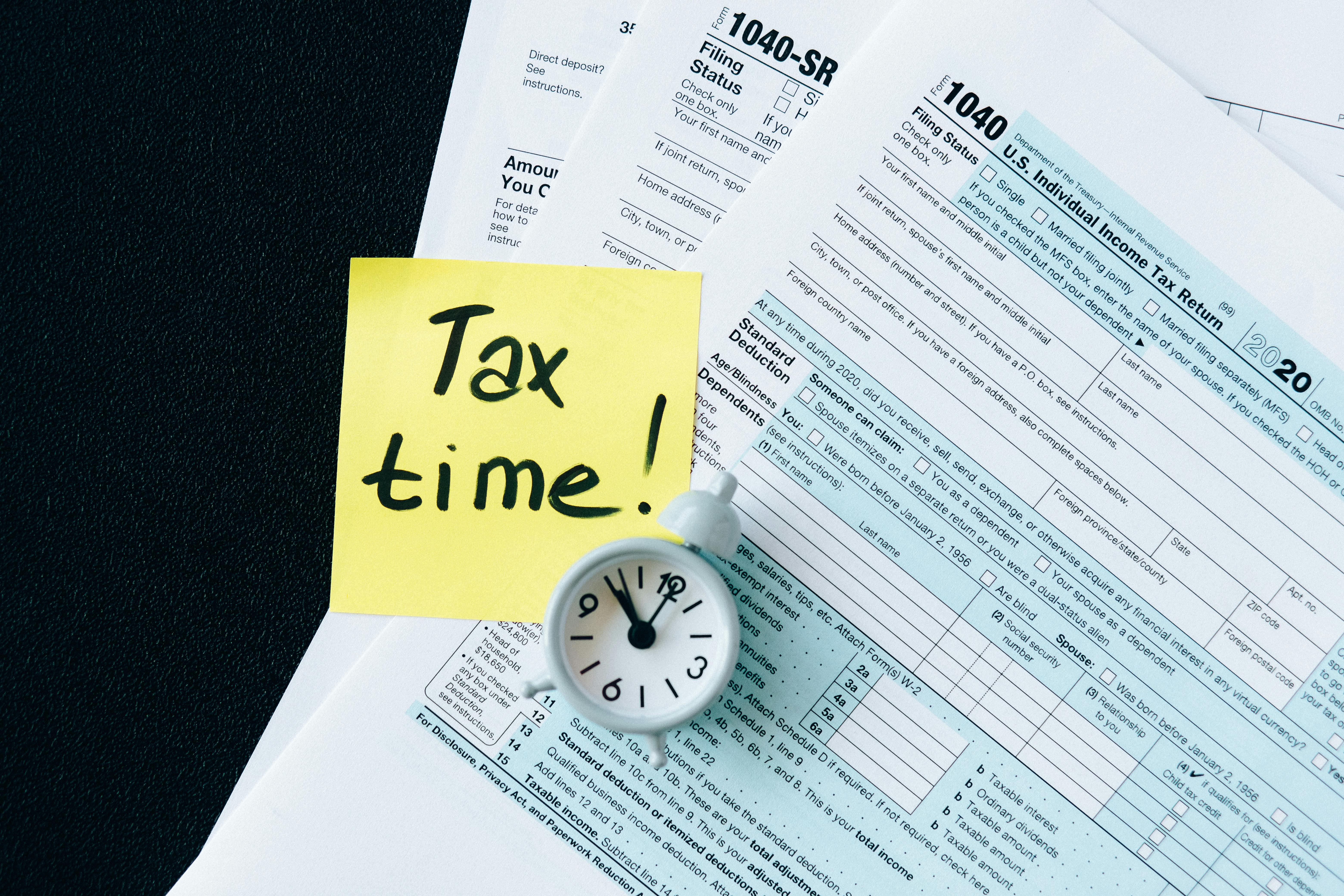
Whether you are an employee, self-employed, or managing investments alongside retirement financial plans, staying on top of your financial records ensures accuracy, maximises deductions, and reduces the chance of errors.
Why Year-Round Preparation Matters
Preparing all year for a stress free tax season saves both time and money. Consistent organisation reduces the risk of missing deductions, avoids penalties for late lodgement, and allows you to make informed financial decisions throughout the year.
Benefits of a Year-Round Approach
- Better cash flow management.
- Less last-minute pressure and confusion.
- More time to address issues before they become costly.
Setting Up an Organised System
Getting your systems in place early is one of the best steps for preparing all year for a stress free tax season.
Choosing the Right Record-Keeping Method
- Digital accounting software for automated tracking.
- Cloud-based storage for receipts and invoices.
- Spreadsheets for those who prefer manual tracking.
Regular Data Entry
- Update income and expenses at least once a month.
- Reconcile bank and credit card statements regularly.
Tracking Income Consistently
Income can come from more than just a salary. Preparing all year for a stress free tax season means recording every source accurately.
Common Income Sources to Monitor
- Employment wages and bonuses.
- Investment returns, including dividends and interest.
- Rental income from properties.
- Business or freelance earnings.
Tips for Accurate Recording
- Use separate bank accounts for business and personal transactions.
- Request detailed statements from investment platforms.
Managing and Categorising Expenses
Knowing which expenses are deductible is essential.
Common Deductible Categories
- Work-related travel and training costs.
- Home office expenses, including internet and electricity.
- Tools, equipment, and professional subscriptions.
Keeping Receipts Organised
- Use scanning apps to store digital copies.
- File documents by category or month for quick reference.
Staying Up-to-Date with Tax Law Changes
Preparing all year for a stress free tax season also means keeping informed about legislative updates.
How to Stay Informed
- Subscribe to the Australian Taxation Office (ATO) updates.
- Attend financial webinars and workshops.
- Consult with a tax agent periodically during the year.
Planning for Quarterly or Instalment Payments
If you pay tax in instalments, managing these payments throughout the year is critical.
Avoiding Payment Shock
- Set aside a percentage of income each month.
- Use a dedicated savings account for tax funds.
Benefits of Timely Payments
- Avoids late payment interest.
- Smooths cash flow across the year.
Recording Investment Activity
Investments require careful tracking for tax reporting.
Details to Keep on Record
- Purchase and sale dates.
- Acquisition costs and associated fees.
- Dividend reinvestment plans and franking credits.
Capital Gains and Losses
Maintain records to calculate gains accurately and offset losses where possible.
Maximising Superannuation Contributions
Superannuation planning can be part of preparing all year for a stress free tax season.
Contribution Strategies
- Salary sacrifice arrangements.
- After-tax contributions to boost retirement savings.
Tax Advantages
Super contributions can reduce taxable income and support long-term financial goals.
Scheduling Regular Check-Ins
Setting quarterly or bi-monthly check-ins keeps your tax preparation on track.
What to Review
- Income and expense reports.
- Bank and credit card reconciliations.
- Changes to tax legislation that may affect you.
Using Technology for Efficiency
Technology can make preparing all year for a stress free tax season faster and more accurate.
Recommended Tools
- Accounting software like Xero or MYOB.
- Receipt tracking apps.
- Automated bank feeds to import transactions.
Seeking Professional Support Early
Tax professionals can offer guidance well before June 30.
Advantages of Early Advice
- Identify additional deductions.
- Adjust strategies for better tax outcomes.
- Prepare for upcoming rule changes.
Avoiding Common Pitfalls
Staying consistent helps avoid mistakes that can lead to penalties.
Frequent Errors to Watch For
- Mixing personal and business expenses.
- Forgetting to declare income from side activities.
- Failing to update contact details with the ATO.
Creating a Tax Calendar
A tax calendar helps you meet every obligation without rushing.
Key Dates to Include
- BAS or PAYG instalment due dates.
- End-of-financial-year lodgement deadlines.
- Superannuation contribution cut-off dates.
Preparing for Deductions in Advance
Rather than searching for receipts in June, plan deductible expenses early.
Example Strategies
- Schedule professional training in the same financial year.
- Prepay certain deductible expenses before year-end.
Archiving and Storing Records
ATO requirements state that records must be kept for several years.
Best Practices
- Store records securely in both digital and paper form.
- Use secure cloud services with backup features.
Planning for Next Year Immediately After Lodgement
Preparing all year for a stress free tax season starts again the moment you lodge your current year’s return. The period right after lodgement is ideal for setting yourself up for the next financial year while the process is still fresh in your mind.
Steps to Take Post-Lodgement
- Review what worked well and where you struggled in your preparation.
- Update your record-keeping systems based on lessons learned.
- Adjust your tax savings percentage if your income or deductions have changed.
Benefits of Early Planning
- Keeps your organisation momentum going.
- Reduces the risk of repeating past mistakes.
- Positions you for a smoother, faster lodgement next year.
Conclusion
Preparing all year for a stress free tax season is about consistent organisation, accurate record-keeping, and proactive planning.
By setting up efficient systems, tracking income and expenses, and seeking early professional guidance, you can avoid the last-minute chaos that tax time often brings.
The result is a smoother process, maximised deductions, and peace of mind knowing your tax obligations are handled well before the deadline.
Frequently Asked Questions
Do I really need to keep receipts if they are under $300?
While receipts may not be required for claims under $300, keeping them is best practice for accurate records and proof if questioned.
How far back can the ATO audit my records?
Generally, the ATO can audit up to five years, but in certain cases of suspected fraud or evasion, the period may be longer.
Should I use a tax agent every year?
If your situation is simple, you may manage on your own, but complex finances or multiple income sources benefit from professional oversight.