Weddings are a celebration of love, unity, and the coming together of two families, and the event’s success often depends on how well the various components work in harmony. From the venue to the cake, flowers, music, and catering, all the elements need to fit together seamlessly. This is where collaborative wedding suppliers come in.
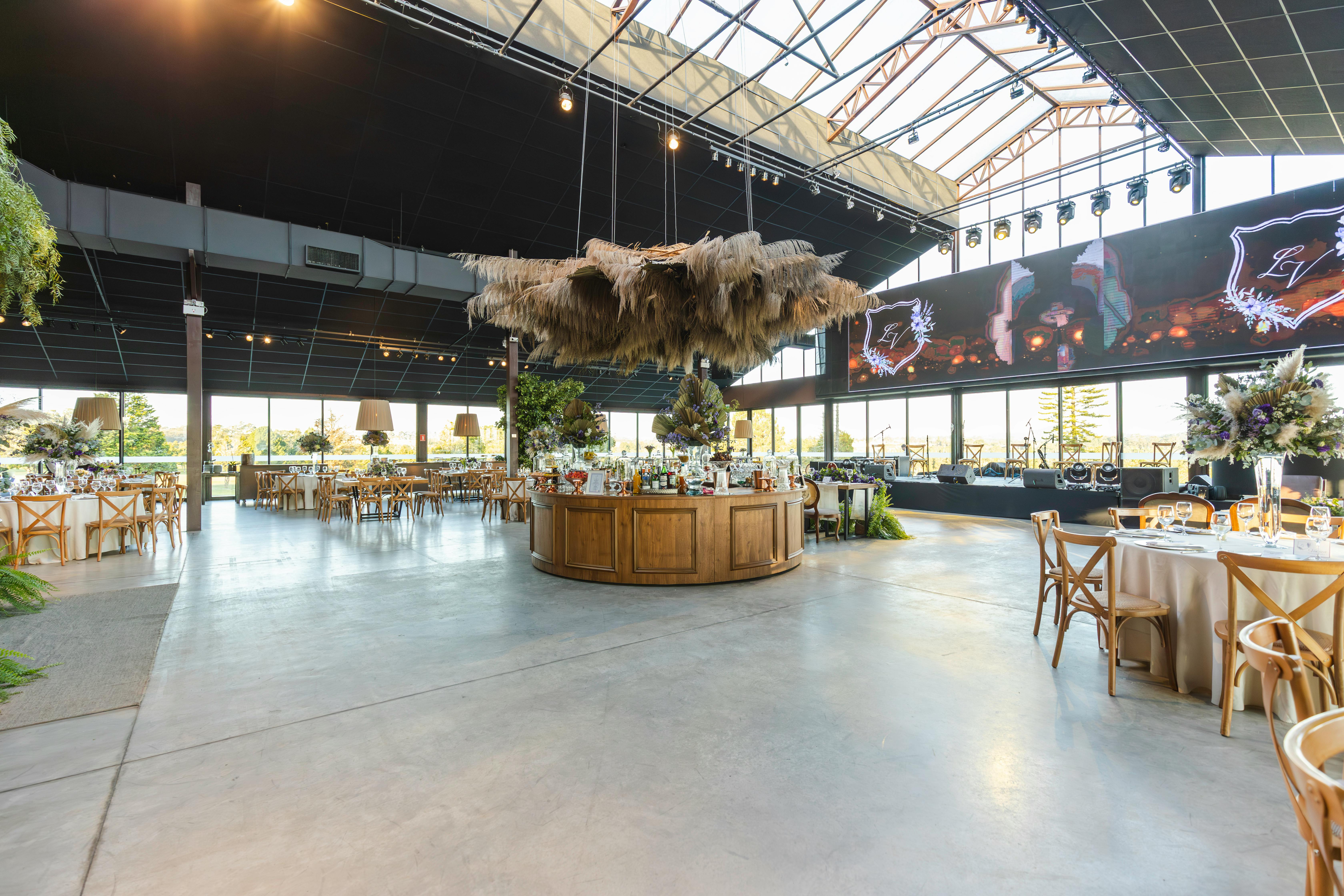
By working together, these suppliers ensure that every aspect of the event is cohesive, creating a smooth and stress-free experience for the couple, their families, and guests. In this article, we’ll explore how collaborative wedding suppliers can enhance the cohesion of your event.
How Do Collaborative Wedding Suppliers Contribute To Event Cohesion?
Ensuring Consistent Aesthetics
One of the most important aspects of a wedding is the aesthetic. Every detail, from the floral arrangements to the table settings, contributes to the overall visual appeal. Collaborative suppliers work together to ensure consistency throughout the event.
- Florists and Decorators: Work hand-in-hand to create floral arrangements that complement the venue’s décor. The flowers should not only fit the venue but also work with the colour scheme and overall theme of the wedding.
- Photographers and Videographers: They collaborate with other suppliers, such as the wedding planner or lighting team, to ensure they capture the event’s aesthetic in the best possible way.
- Lighting and AV Specialists: Their role is to enhance the visual mood of the wedding. Collaborative lighting setups can highlight key areas, such as the wedding cake or reception space, creating a cohesive look.
Streamlining The Timeline
Another key benefit of collaborative wedding suppliers is the streamlined timeline. A wedding involves many moving parts, and each supplier’s role must be coordinated with others to avoid delays or confusion.
- Wedding Planner: The planner is responsible for creating a timeline that outlines when each vendor should arrive, what tasks need to be completed, and when key events (e.g., the first dance cake cutting) should happen. A planner who is in constant contact with suppliers ensures that everything runs on time.
- Caterers and Servers: By working closely with the wedding planner, caterers can ensure that food is served at the right moment during the reception, whether it’s during the arrival of guests, the cocktail hour, the main course, or dessert.
- Entertainers: Whether it’s a live band or DJ, the entertainers must work within the event timeline, ensuring they start and end at the appropriate moments, and that transitions between speeches, dances, and meals are seamless.
Building A Smooth Guest Experience
The guest experience is at the heart of the wedding, and collaboration between vendors ensures that everything is in place for an enjoyable day.
- Caterers and waitstaff work closely with the venue and planner to ensure that guests are served promptly, thereby maintaining a smooth flow during meal times.
- Transportation and Guest Services: Suppliers offering transportation services, such as limousines or buses, collaborate with planners to ensure guests arrive at the venue on time and in comfort.
- Coordinated Design: All wedding elements, including invitations, table settings, and place cards, need to match and align with the event’s theme. Collaborative suppliers ensure that every design element flows from one to the next, avoiding mismatched colours or themes.
Effective Communication Between Suppliers
Clear communication between suppliers is the foundation of a successful collaboration. Without proper communication, even the best suppliers can cause delays, confusion, or disrupt the event’s flow. Vendors who regularly communicate with one another can address any issues before they arise.
- Regular Meetings and Briefings: Most wedding planners hold regular meetings with all suppliers leading up to the big day, ensuring that everyone is aware of their responsibilities and the timeline.
- Emergency Planning: Collaboration also involves contingency planning. In the event of any issues (e.g., adverse weather conditions or a last-minute schedule change), suppliers must collaborate to resolve problems efficiently.
Benefits Of Collaborative Wedding Suppliers
Stress Reduction For The Couple
Wedding planning can be a stressful experience, and the more suppliers collaborate, the easier it becomes for the couple to relax and enjoy the process. When vendors collaborate, they’re not just serving the needs of their clients; they’re also ensuring the overall success of the event.
- One Point of Contact: A wedding planner serves as the primary point of contact for the couple, alleviating the burden of managing each vendor individually. This reduces confusion and ensures that the couple’s needs are met efficiently.
- Problem-Solving: When an issue arises, the collaborative relationship between suppliers facilitates the quick resolution of problems. This ensures the couple doesn’t get overwhelmed with last-minute changes.
Financial Efficiency
Collaborative suppliers often work together to offer packages or discounts, which can help couples save money. Since these suppliers are familiar with each other and have established relationships, they may be willing to offer more competitive pricing for joint services.
- Discounts on Package Deals: Many wedding planners and venues offer package deals that include services from multiple suppliers at a reduced rate.
- Optimising Budgets: Collaborative suppliers can work with the couple to allocate the budget efficiently, ensuring that money is spent in areas that will have the greatest impact on the event.
Enhanced Creativity And Innovation
Working together enables suppliers to brainstorm and generate creative ideas that they might not have conceived independently. By pooling their expertise, suppliers can create a wedding that is unique, personalised, and full of innovative touches.
- Theme Development: Florists, decorators, and designers can work with the couple to develop a theme that incorporates the couple’s personality, venue style, and seasonal elements.
- Personalised Touches: Collaborative suppliers can offer unique and personalised ideas that reflect the couple’s story, ensuring that the wedding feels truly special.
Conclusion
Collaborative wedding suppliers are integral to the success of any event. Their ability to work together ensures a cohesive and well-coordinated wedding, where everything, from aesthetics to timing, flows seamlessly.
By engaging in open communication, sharing resources, and working towards a common goal, these suppliers help reduce stress, enhance creativity, and ensure that the event is both memorable and enjoyable for everyone involved. Selecting the right team of collaborative suppliers will ensure that your wedding day is everything you’ve dreamed of – and more.
Frequently Asked Questions
Why Is It Important To Hire Collaborative Wedding Suppliers?
Hiring collaborative wedding suppliers ensures that all elements of your wedding work in harmony. These suppliers work together to maintain consistent aesthetics, streamline the event timeline, and enhance the overall guest experience. By working together, they reduce stress, prevent mishaps, and make the planning process smoother.
How Can A Wedding Planner Help With Collaborating Wedding Suppliers?
A wedding planner acts as the central point of communication for all suppliers, ensuring that everyone is on the same page. They coordinate timelines, address any issues, and make sure that each supplier’s role aligns with the overall theme and schedule. This guarantees a seamless and stress-free experience for the couple.
Can Collaborative Wedding Suppliers Save Money On My Wedding?
Yes, many collaborative wedding suppliers offer package deals or discounts when you book multiple services from them. These partnerships can result in more competitive pricing, helping you stay within budget while still receiving high-quality services. Additionally, working with a trusted group of suppliers can prevent costly mistakes or last-minute changes.