Steel framing is rapidly gaining traction as a leading choice in construction projects due to its unmatched strength, longevity, and adaptability.
This guide covers everything you need to know about efficient steel framing, including the design process, manufacturing techniques, and installation best practices, helping you achieve high-quality and cost-effective results.
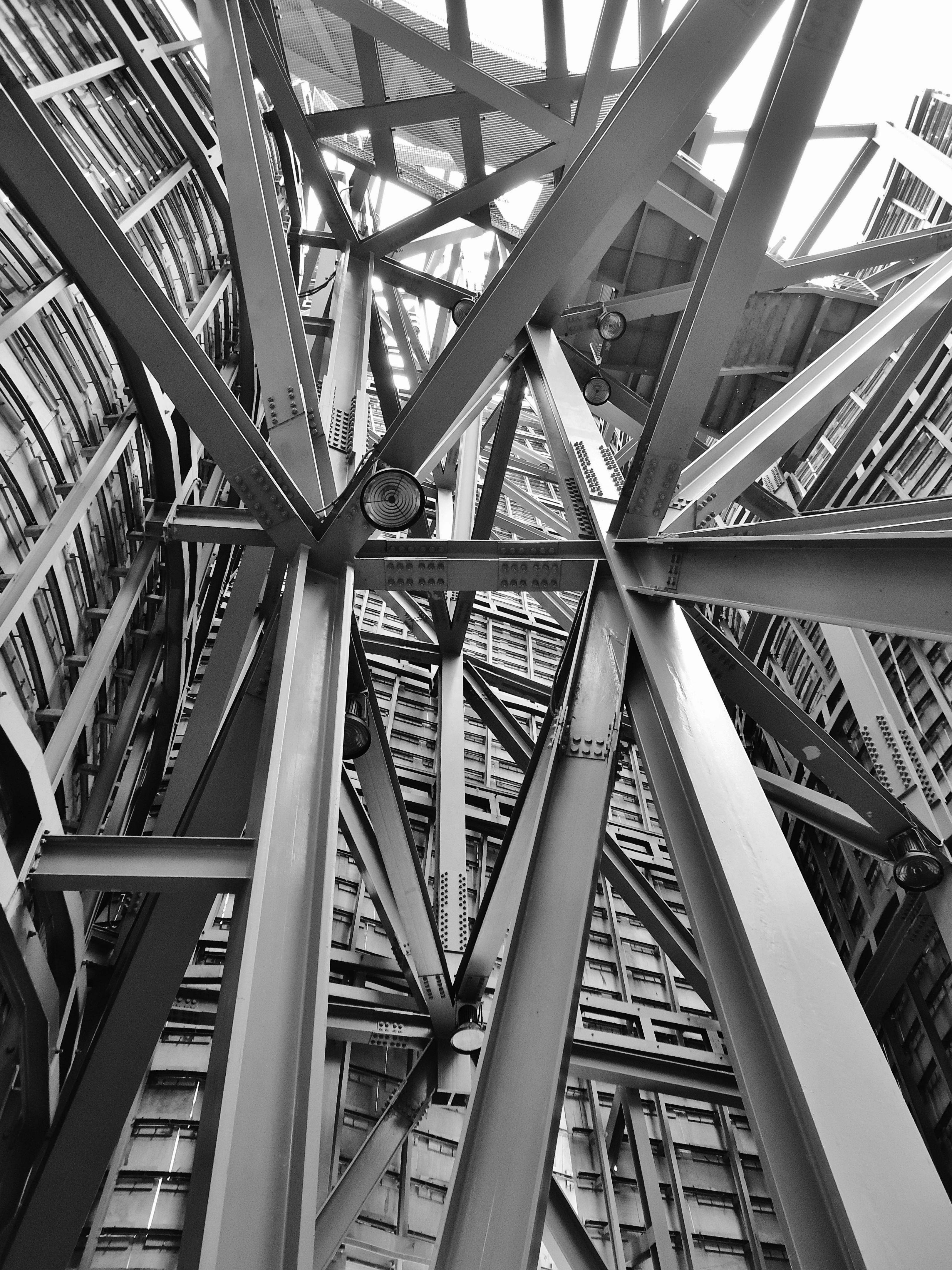
For those seeking more detailed resources on steel framing, you can navigate to this site to access specialised tools and technical data.
Understanding Steel Framing
Steel framing is the process of constructing a building’s structural framework from steel sections, typically cold-formed or hot-rolled. It provides a solid skeleton that supports floors, walls, and roofs in a variety of building types.
Advantages of Steel Framing
Steel framing has many benefits compared to traditional timber or concrete construction:
- Durability: Steel is resistant to rot, warping, and cracking, which are common issues with timber.
- Fire Resistance: Unlike wood, steel does not burn, significantly improving building safety.
- Pest Resistance: Steel frames are impervious to termites, rodents, and other pests that damage timber.
- Sustainability: Steel is recyclable and can be reused multiple times without degradation.
- Lightweight Strength: Steel’s strength-to-weight ratio allows for slimmer frames and longer spans without heavy foundations.
- Consistency: Steel components are manufactured to exact specifications, reducing variability on site.
Steel framing is widely used in residential, commercial, and industrial buildings due to these characteristics. It offers architects and builders more flexibility in design while meeting stringent building codes.
Designing for Efficient Steel Framing
Design is the foundation of any successful steel framing project. Efficient design means optimising material use and ensuring structural integrity while keeping costs in check.
Key Principles of Steel Frame Design
- Load Analysis Engineers begin by calculating all forces acting on the building, including:
- Dead loads (weight of structure and fixed equipment)
- Live loads (people, furniture, and temporary loads)
- Environmental loads (wind pressure, seismic activity, snow)
- Accurate load assessment ensures the frame can safely support the building throughout its lifespan.
- Material Selection Selecting the right steel grade is essential. Commonly used are:
- Grade 350 or 450 for general framing due to strength and flexibility.
- Galvanised steel for corrosion resistance, especially in humid or coastal environments.
- Member Sizing Designers determine the cross-sectional dimensions of steel studs, beams, and columns. Oversized members lead to unnecessary costs, while undersized ones compromise safety.
- Connection Detailing The connections between members must be designed to handle loads and allow for ease of assembly. Common connection types include:
- Bolted joints for quick installation and future disassembly.
- Welded joints for rigid and permanent fixtures.
- Building Code Compliance The design must comply with relevant Australian standards such as AS/NZS 5131 for structural steel fabrication and erection.
Software Tools for Design
Using specialised software reduces design errors and improves efficiency. Popular programs include:
- AutoCAD Structural Detailing for 2D and 3D drawing creation.
- Tekla Structures, which offers detailed modelling of steel frames.
- Revit Structure, enabling integration with architectural designs.
These platforms allow engineers to visualise the entire structure and identify conflicts early, saving time and costs during manufacturing and installation.
Manufacturing Steel Frames
Manufacturing is the next step after design, where raw steel is converted into components ready for on-site assembly.
Common Manufacturing Processes
- Cold Forming Steel sheets are rolled at room temperature into precise shapes such as studs, tracks, and channels. This method allows for high production volumes with consistent quality.
- Hot Rolling Steel is heated and rolled into larger beams and columns. This process produces stronger, heavier sections used for main structural support.
- Punching and Drilling Holes and slots are created for fasteners and utility passages, ensuring components fit together smoothly on-site.
- Galvanising To protect steel from rust, a zinc coating is applied through hot-dip galvanising or electroplating.
Benefits of Prefabrication
Prefabrication involves producing steel framing components off-site in a factory-controlled environment. The advantages include:
- Reduced On-site Construction Time Prefabricated pieces arrive ready to install, accelerating the building process.
- Lower Labour Costs Less skilled labour is required on-site, reducing overall expenses.
- Improved Quality Control Factory conditions ensure precise dimensions and minimal defects.
- Waste Reduction Efficient use of materials leads to less scrap and environmental impact.
Manufacturers often use automated CNC machines to cut and shape steel, further improving speed and accuracy.
Installation of Steel Frames
Proper installation is critical to the success of steel framing. It ensures that the structure performs as designed and remains safe and durable.
Preparing the Site
Site preparation involves:
- Verifying that foundations are level, cured, and capable of bearing loads.
- Confirming all steel components, fasteners, and equipment are available.
- Establishing clear safety protocols and access paths for workers.
Step-by-Step Installation Process
- Layout Marking Mark exact positions on the foundation for base plates and studs.
- Positioning Base Plates Base plates are anchored to the foundation using bolts or welds, serving as the foundation for vertical columns.
- Erecting Columns and Beams Columns are lifted into place, secured, and aligned, followed by the placement of horizontal beams.
- Securing Connections Bolts or welds fasten the steel members, ensuring the frame’s stability.
- Installing Bracing Diagonal bracing or shear panels provide lateral strength and prevent sway.
- Final Inspection Inspectors verify all connections, alignments, and structural components meet design and safety requirements.
Tools and Equipment Used
- Cranes or forklifts for lifting heavy sections.
- Torque wrenches for bolted connections.
- Welding equipment for permanent joints.
- Laser levels for precise alignment.
Following a well-structured installation plan helps avoid delays and costly mistakes.
Ensuring Quality and Safety
Quality and safety must be priorities throughout all stages of steel framing.
Quality Control Measures
- Material Testing: Steel is tested for strength, ductility, and corrosion resistance before use.
- Dimensional Checks: Components are verified for accurate dimensions.
- Factory Audits: Manufacturers undergo regular inspections to maintain standards.
- Site Inspections: Supervisors monitor installation practices and verify compliance with design.
Safety Practices
- Personal Protective Equipment (PPE): Helmets, gloves, and harnesses protect workers.
- Training: Workers receive training on steel handling, rigging, and hazard management.
- Communication: Clear signals and radios improve coordination during lifts.
- Hazard Management: Identifying and mitigating risks such as falls or crushing injuries.
A strong safety culture reduces accidents and improves productivity.
Maintenance of Steel Framing Structures
Steel framing generally requires low maintenance but benefits from regular inspections to catch early signs of issues.
Common Maintenance Tasks
- Checking for Corrosion Inspect steel members, especially those exposed to moisture or salt air. Repair any damaged galvanising.
- Structural Integrity Look for signs of deformation, cracks, or loose connections.
- Protective Coatings Reapply paint or galvanised coatings as needed to extend the lifespan.
- Cleaning Remove dirt, debris, and vegetation that may trap moisture.
Routine maintenance helps extend the service life of steel-framed buildings and safeguards occupants.
Conclusion
By carefully addressing design requirements, ensuring precision manufacturing, and following systematic installation procedures, builders can deliver structures that are strong, durable, and cost-effective.
Incorporating steel framing into projects brings benefits such as faster build times, improved safety, and longer lifespans. Regular maintenance ensures these advantages continue for decades.
This complete guide to efficient steel framing demonstrates the essential steps and best practices that underpin successful projects in the Australian construction landscape.
Frequently Asked Questions
What is the main difference between cold-formed and hot-rolled steel framing?
Cold-formed steel is shaped at room temperature into lighter sections like studs and tracks, ideal for interior framing and non-load-bearing walls.
Hot-rolled steel is formed at high temperatures to produce stronger, heavier beams and columns used for primary structural support.
How does steel framing compare to timber framing in terms of cost?
Steel framing typically has higher initial costs due to material and fabrication expenses. However, steel often results in savings over time through faster construction, lower maintenance, and improved durability.
Can steel framing be used in residential buildings?
Yes, steel framing is widely used in residential construction, especially for multi-storey homes, townhouses, and areas prone to termites or fire hazards. It allows for flexible designs and superior strength.