The spiritual significance behind cacao ceremonies lies in their ability to connect people with themselves, with others, and with nature. Rooted in ancient traditions, these gatherings combine intention, ritual, and the preparation of pure cacao to open the heart and mind.
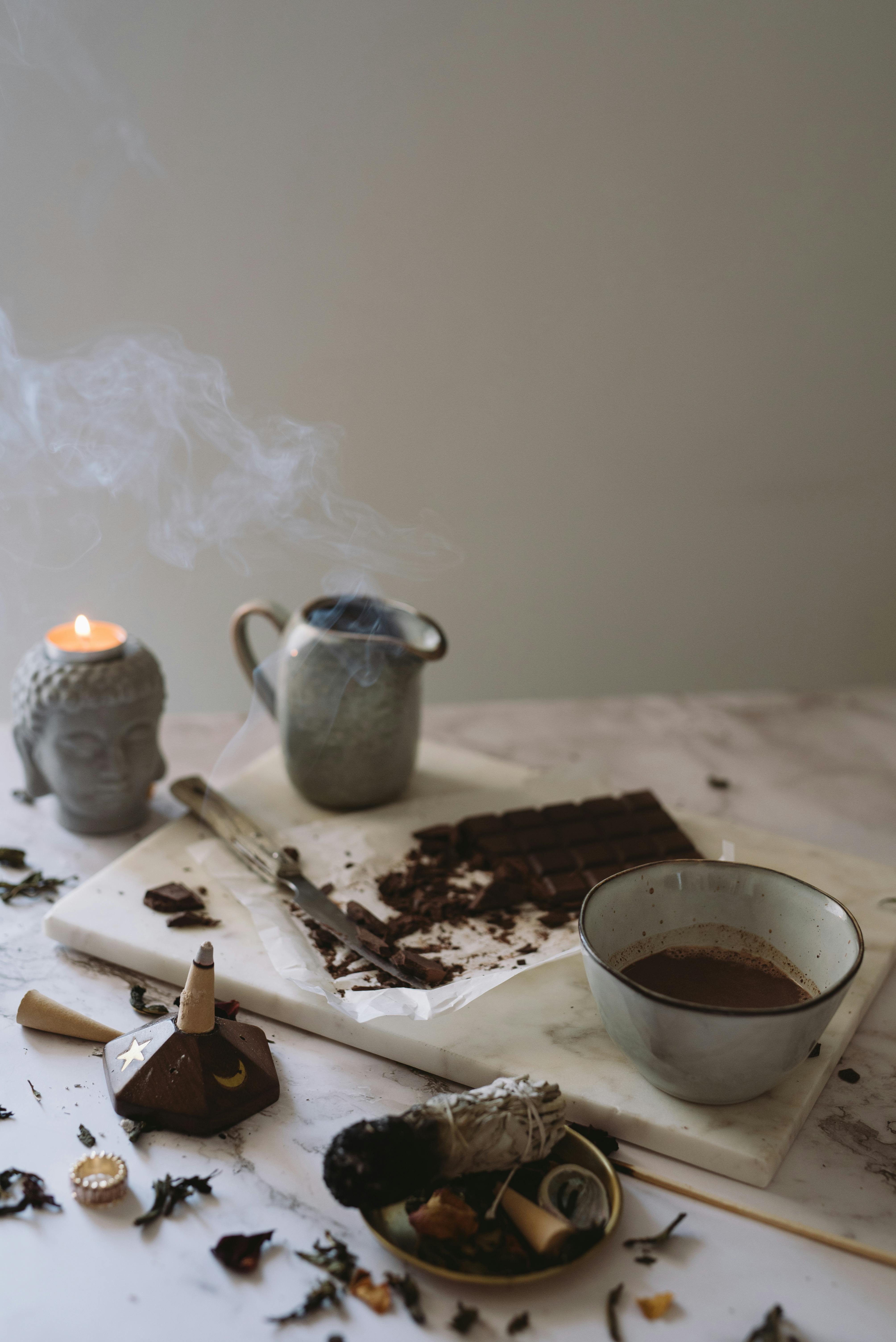
For some, drinking cacao before bed can be a personal ritual, while others prefer to share it in a group setting. In both cases, the process holds a deeper meaning beyond the drink itself.
Understanding the Origins of Cacao Ceremonies
The spiritual significance behind cacao ceremonies begins with history. Cacao was a central element in Mayan and Aztec societies, valued not only for its taste but also for its role in spiritual life.
Ancient Cultural Roots
- Used in sacred gatherings to honour deities and natural cycles.
- Served during weddings, harvest celebrations, and rites of passage.
- Considered a bridge between the physical and spiritual worlds.
From Past to Present
Modern cacao ceremonies often follow similar principles to ancient practices, blending cultural respect with contemporary mindfulness techniques.
The Role of Cacao in Spiritual Practice
The spiritual significance behind cacao ceremonies is tied to the plant’s properties and the way it is used with intention.
Physical and Emotional Effects
- Contains theobromine, which promotes steady energy.
- Rich in magnesium, which supports relaxation and calm.
- Encourages emotional openness, aiding self-reflection.
Spiritual Interpretations
In many traditions, cacao is seen as a plant teacher, offering gentle guidance and insight through sensory experience and meditative states.
How Cacao Ceremonies Support Connection
The spiritual significance behind cacao ceremonies is often described through the connections they foster.
Connection with Self
- Drinking cacao mindfully encourages personal reflection.
- Helps release emotional tension and supports clarity of thought.
Connection with Others
- Sharing cacao in a group creates a shared focus and intention.
- Ceremonies often involve storytelling, music, and silence to build trust.
Preparing for a Cacao Ceremony
The spiritual significance behind cacao ceremonies includes the preparation process, which sets the tone for the experience.
Setting the Space
- Clear the area of distractions.
- Use candles, flowers, or natural elements to create a welcoming environment.
- Arrange seating in a circle to symbolise unity.
Choosing the Right Cacao
- Select ceremonial-grade cacao paste with minimal processing.
- Support ethical and sustainable sources.
The Structure of a Cacao Ceremony
The spiritual significance behind cacao ceremonies is reinforced by the structure of the event.
Common Stages
- Opening the space – Welcoming participants and setting intentions.
- Preparation of cacao – Making the drink with attention and care.
- Drinking together – Sharing in silence or with guided meditation.
- Integration activities – Movement, music, or sharing circles.
- Closing the space – Giving thanks and grounding the experience.
Flexibility in Format
While many ceremonies follow a similar flow, each facilitator may adapt the process based on the group’s needs and cultural influences.
Symbolism in Cacao Ceremonies
The spiritual significance behind cacao ceremonies also lies in the symbols and metaphors present in the ritual.
The Circle
Sitting in a circle represents equality and unity, with no hierarchy between participants.
The Cup
The cup of cacao is often viewed as a vessel for intention, representing the heart and the sharing of energy.
Integrating Cacao into Daily Life
The spiritual significance behind cacao ceremonies can extend beyond formal gatherings.
Personal Morning Rituals
- Drinking cacao mindfully before starting the day.
- Combining with journaling or meditation for clarity and focus.
Evening Practices
Some people enjoy cacao before bed in smaller amounts to create a reflective, calming nightly ritual.
Cacao and Meditation
The spiritual significance behind cacao ceremonies often overlaps with meditation practices.
How Cacao Supports Meditation
- Theobromine and magnesium help calm the body.
- Mild stimulation keeps the mind alert without distraction.
Types of Meditation
- Guided visualisation.
- Breath-focused meditation.
- Silent sitting with mindful awareness.
Pairing Cacao with Movement
The spiritual significance behind cacao ceremonies can be enhanced through movement.
Common Practices
- Yoga sessions before or after drinking cacao.
- Gentle dance or free-form movement to express emotions.
Benefits of Movement Integration
Combining cacao with movement can support emotional release and deepen body awareness.
Respecting the Cultural Roots
The spiritual significance behind cacao ceremonies includes honouring the cultures that created them.
Ways to Show Respect
- Learn about the history and context of cacao use.
- Support Indigenous producers where possible.
- Avoid reducing ceremonies to a trend without understanding their depth.
Potential Sensations and Experiences
The spiritual significance behind cacao ceremonies includes the variety of sensations participants may feel.
Physical Sensations
- Gentle warmth in the body.
- Light stimulation without the crash of caffeine.
- Improved focus and mental clarity.
Emotional Experiences
- Heightened empathy and compassion.
- A sense of release or relief from emotional weight.
- Greater openness to sharing thoughts and feelings.
Safety and Considerations
The spiritual significance behind cacao ceremonies can be enjoyed by many, but safety is important.
Health Precautions
- People with heart conditions or high blood pressure should use smaller servings.
- Those sensitive to stimulants should monitor their response.
Pregnancy and Medication
Consult a healthcare professional if pregnant, breastfeeding, or taking medication affecting heart rate or blood pressure.
Hosting Your First Cacao Ceremony
The spiritual significance behind cacao ceremonies can be appreciated even more when you take the step to host your own gathering. While each ceremony can be unique, a few guidelines can help create a meaningful and respectful experience.
Planning the Ceremony
- Select a date and time when participants can be fully present.
- Invite participants who share an interest in mindfulness or connection.
- Decide on activities such as guided meditation, music, or sharing circles.
Preparing the Space
- Arrange seating in a circle to encourage equality and openness.
- Use soft lighting, candles, or natural elements to create a calming atmosphere.
- Have all cacao ingredients ready before the group arrives.
Leading the Ritual
- Begin with a welcome and invitation to set personal intentions.
- Prepare and serve the cacao slowly, encouraging participants to notice the aroma and warmth.
- Guide the group through chosen activities, keeping the pace unhurried.
- Close by giving thanks and inviting brief reflections from participants.
Conclusion
The spiritual significance behind cacao ceremonies lies in their blend of history, connection, and mindful practice. Whether experienced in a group or as a personal ritual, cacao offers more than a drink—it offers a space to reflect, connect, and honour both self and community.
Through respectful preparation and genuine intention, cacao ceremonies can bring meaningful depth to modern life, linking the present moment with traditions that have lasted for centuries.
Frequently Asked Questions
How long does a cacao ceremony usually last?
Most last between 1.5 and 3 hours, depending on the activities included.
Can I prepare ceremonial cacao without attending a ceremony?
Yes. You can create a personal ritual at home, focusing on intention and mindful preparation.
Is cacao suitable for everyone?
While most people can enjoy cacao, those with certain health conditions should check with a professional first.